
When Mental Health Advice Goes Viral: The Psychology of TikTok Self-Diagnosis
“If you do these five things, you have ADHD.” “Signs you were raised by a narcissist.”
“Things you didn’t realise were a trauma response.”
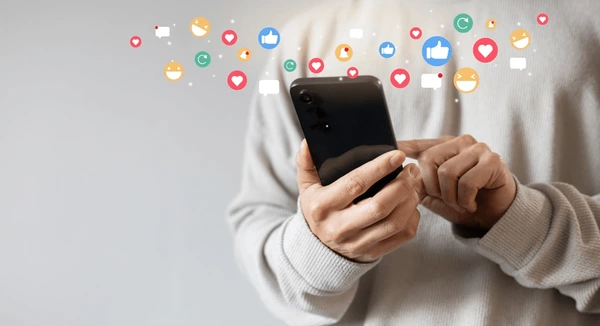
Mental health content has become increasingly visible on social media. In many ways, this is positive. Platforms like TikTok and Instagram have helped normalise conversations about mental health, reduce stigma and give people language to describe experiences they may previously have struggled to understand.
AND there is a psychological downside to consuming mental health information in bite-sized pieces.
Many symptoms associated with psychological disorders also occur in everyday life. Difficulty concentrating, procrastination, worrying, mood changes and disrupted sleep can all be part of a mental health condition- but experiencing them does not necessarily mean someone meets criteria for a disorder.
This is where confirmation bias can become really important.
Confirmation bias describes our tendency to notice and give greater weight to information that supports what we already suspect. After watching a video about ADHD, for example, someone might begin noticing every occasion they become distracted while overlooking experiences that don’t fit the explanation.
Social media algorithms can further amplify this effect. When a person engages with a particular type of mental health content, the platform is likely to show them more of the same. Over time, this repeated exposure can create the impression that a particular explanation is increasingly credible or widely supported, even when the content being presented is not necessarily balanced or evidence-based.
Clinical assessment works differently.
Psychologists don’t typically determine whether someone has a disorder based on the presence of a few relatable symptoms. Assessment considers factors such as the severity, duration and frequency of symptoms, their impact on daily functioning, developmental and personal history, context, and alternative explanations.
None of this means that mental health content online is inherently harmful. For some people, recognising themselves in a post may be the first step towards seeking appropriate support.
The important distinction is between recognition and diagnosis!
A 60-second video might provide a useful prompt for reflection: What it can’t provide is the context and individualised assessment needed to understand the whole person.
Rather than assuming “This sounds like me, so I must have this,” a more helpful response might be: “I recognise some of these experiences in myself, and they may be worth exploring further.”
By Jasmine Sutton – Provisional Psychologist
Integral Psychology
Related Posts
When Mental Health Advice Goes Viral: The Psychology of TikTok Self-Diagnosis
“If you do these five things, you have ADHD.” “Signs you were raised by a...
October – Mental Health Month
October marks Mental Health Month, an opportunity to raise awareness, reduce...