
Seeing through the changes you want in 2026: How psychology can help
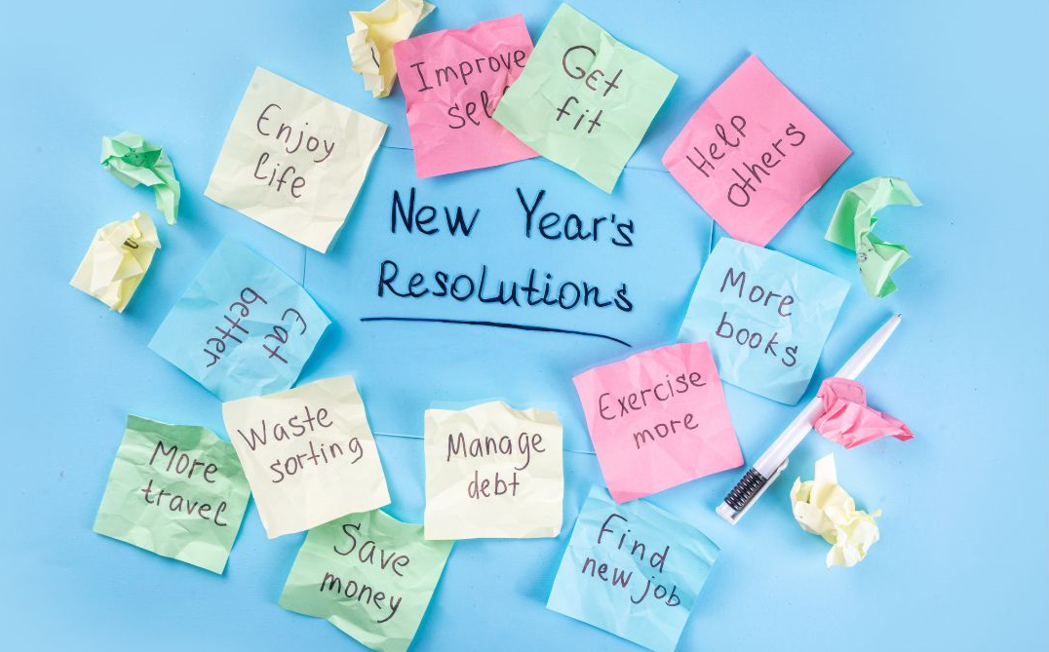
“New year, new me!” – we have all probably said this at one point, but how long do our new year’s resolutions usually last? 1 month? 2 months? We have good intentions but quickly we lose motivation and momentum, and you might be noticing this already in February.
This post will discuss three psychology tips that may help make your change more long-lasting and offer something to ponder as you dive into 2026!
Reflect on your values
First, take a step back and reflect on the change you have in mind and ask yourself these questions:
- “Why does this change matter to me?”
- “What kind of person do I want to be in this area of my life?”
Underpinned by Acceptance and Commitment Therapy (ACT), these questions encourage us to reflect on whether our goals align with our personal values and who we are. Values are important because they are like a compass, providing ongoing direction and guidance. Research suggests that when goals are connected to values, people are more likely to stay with the goal even when things get difficult.
When a goal is meaningful, it shifts from a chore to a choice. For example, you may want to incorporate more exercise into your life. This could be because you value mental wellbeing, you want to have energy for loved ones, or you want a more sustainable lifestyle! The reasons could be endless, but what matters most is that it reflects you.
Create SMART Goals
Once we have a sense of direction, we can now move onto structuring the goals. Supported by goal-setting theory, research shows us that setting goals using the SMART framework can increase accountability and help us track progress. SMART is an acronym that is easy to remember and helps clarify what we are doing and when. This is what each letter means and what it proposes you to do:
- S – Specific: Provide a clear definition of what you would like to accomplish which may include who is involved, where, and what steps are needed.
- M – Measurable: Identify criteria to track progress and identify how you will know when the goal is met.
- A – Achievable: Make sure that the goal is realistic and you can achieve it.
- R – Relevant: Ensure the goal aligns with your broader goals and aim.
- T- Time-bound: Identify a specific deadline as this creates urgency and provides a clear endpoint.
Using the previous example of wanting to incorporate more exercise, a SMART goal could be, “I will go for a 10-minute walk around my house after work on Mondays, Wednesdays, and Friday for the next 4 weeks to support my mood and overall wellbeing.”
Identify your stage of change
As you fulfill your goals this year, there is something important to keep in mind. Change is not linear, but instead there are multiple phases. The ‘Stages of Changes’ psychological model propose there are five stages you may be in:
- Not ready to change
- Thinking about change
- Preparing for change
- Taking action to make change
- Maintaining the change
Identifying which stage you are at can help you set realistic expectations and choose strategies that fit where you are at. Once again, using the exercise example, if you are in the beginning stages, your focus could be building awareness and exploring pros and cons. This may include noticing how your energy or mood feels on days you move your body versus days you don’t.
If you are in the preparatory stage, scheduling time or gathering resources could be helpful, like choosing which days you will go for a 10-minute walk after work or laying out your walking shoes near the door.
When you are in the action or maintenance stage, building consistency, being flexible and self-compassionate is important. For instance, adjusting your walk to 5-minutes on a busy day instead of skipping it entirely, or reminding yourself that missing one session does not undo all the progress you have made thus far.
Guide for action
Overall, seeing through your changes in 2026 (and beyond!) is about aligning them to your values, structuring them and being flexible. Bringing together what we have discussed so far, here is a helpful guide to get you started:
- Clarify the value: What truly matters to me?
- Set a SMART step: What is one realistic action I can take this week?
- Check the season: Which stage of change am I in and what steps would be most helpful at this time?
Good luck, you’ve got this!
By Sarah Leung
Provisional Psychologist – Integral Psychology
Related Posts
Seeing through the changes you want in 2026: How psychology can help
“New year, new me!” - we have all probably said this at one point, but how...

Holiday Blues
The holiday period is a time of year that evokes the spirit of celebration...